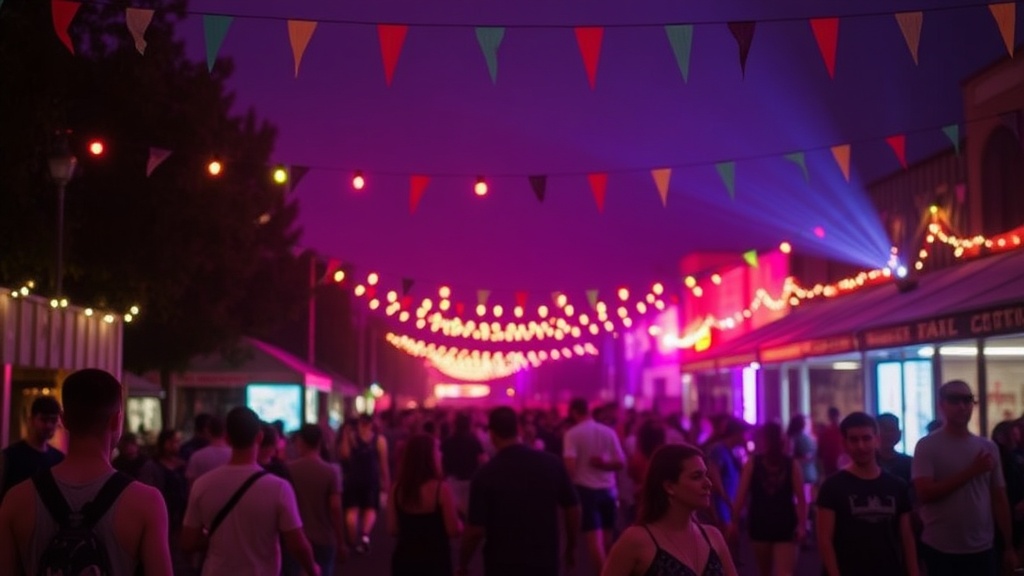
Navigating the Local Festival Scene in Victoriaville

Did you know that local festivals in Quebec can draw tens of thousands of people to towns much smaller than Victoriaville in a single weekend? This post breaks down how to plan your attendance for the major seasonal events in our region, from music festivals to agricultural showcases. You'll find out which events are worth your time, how to handle the crowds, and the best ways to experience the local culture without the stress.
What are the biggest annual festivals in Victoriaville?
The biggest annual festivals in Victoriaville revolve around a mix of music, agriculture, and community-driven celebrations like the Festival de la Musique and various regional fairs. Most locals look forward to the summer months when the town transforms into a hub for outdoor gatherings. These events aren't just about music; they're about seeing the people you recognize from the grocery store in a completely different setting.
If you want to see the full scope of what our region offers, you should check out the ultimate guide to local attractions. It gives a great overview of the permanent sites that often host these temporary festivals.
The Summer Music Scene
Summer is when the town really wakes up. You'll see much more activity near the downtown core and the public parks. Music is a big draw here. It's not just indie bands; you'll see everything from folk to more mainstream pop acts. It's a great way to experience the high energy of the region.
One thing to keep in mind: the weather in the Centre-du-Québec region can be unpredictable. One minute it's sunny, and the next, a sudden downpour hits. I always carry a light shell or a waterproof layer—even if the forecast looks perfect.
How much do festival tickets cost in Victoriaville?
Most local festivals in our area offer a mix of free outdoor performances and paid ticketed-events for specific headliners or indoor venues. Many of the street-level celebrations are entirely free to the public, which is a huge benefit for families. However, if you're looking to see a major touring artist, expect to pay for a ticket through platforms like Ticketmaster or local box offices.
Here is a quick breakdown of what to expect for your budget:
| Event Type | Estimated Cost (CAD) | Typical Experience |
|---|---|---|
| Street Festivals/Parades | Free | Open air, food trucks, local music. |
| Local Music Concerts | $25 - $60 | Seated or standing room, specific venues. |
| Large Scale Regional Fairs | $10 - $20 (Entry) | Includes rides, agricultural displays, and food. |
It's a smart move to check the official municipal website for any updates on pricing or special passes. Sometimes they offer day passes that save you a few bucks if you're staying for multiple events.
Pro-Tips for Food and Drinks
Don't expect fancy sit-down service at these events. It's all about the food trucks and local vendors. If you want the best experience, look for the vendors selling local Quebec cheeses or artisan breads. It's much better than the standard fast food you might find in larger cities.
Also, if you're a fan of a good patio, you might enjoy some of the hidden terrace spots once the main festival crowds start to thin out. It's a great way to decompress after a loud concert.
When is the best time to visit for festivals?
The best time to visit for festivals is between late June and early September when the weather is most stable and the event calendar is at its peak. While winter has its charms, the heavy-hitting outdoor festivals are strictly a summer phenomenon. If you're planning a trip, aim for July to catch the height of the seasonal energy.
The schedule usually looks like this:
- June: The buildup phase. Smaller community events and local markets.
- July: The peak. This is when the major music and street festivals happen.
- August: The harvest/agricultural phase. More focus on food and local produce.
- September: The wrap-up. Smaller, more intimate end-of-summer gatherings.
If you're looking for more seasonal advice, you might want to look into finding the best seasonal produce. A lot of the festivals are centered around these very markets.
Managing the Crowds
If you hate crowds, avoid the main street during the peak hours of 2:00 PM to 6:00 PM. That's when the foot traffic is highest. I usually try to arrive early or stay a bit later in the evening to enjoy the atmosphere without feeling squeezed. It's a small town—it gets crowded, but it's manageable if you're strategic.
Parking can be a real headache during these times. Don't try to park right in the middle of the action. Find a spot a few blocks away and walk. It'll save you a lot of frustration (and maybe a parking ticket).
What should I pack for a local festival?
You should pack comfortable walking shoes, a portable power bank for your phone, and a light waterproof layer. Even if you're just going for a few hours, the ground can be uneven or muddy if it rained the night before.
Here is my personal "festival survival" list:
- Footwear: Sneakers or sturdy sandals (avoid flip-flops if there's a crowd).
- Hydration: A reusable water bottle (many events have refill stations).
- Sun Protection: Sunglasses and a hat—the sun hits hard in the open fields.
- Power: A portable charger (taking photos drains batteries fast).
- Cash: While most places take cards, small local vendors sometimes prefer cash.
I've learned the hard way that a dead phone is a nightmare when you're trying to find your friends in a crowd. It's one of those things you'll regret forgetting.
A Note on Local Etiquette
People here are friendly, but we value our space. If you're at a concert, try to be mindful of the people around you. It's a community event, and most people are there to enjoy the music, not to fight for space. Being a respectful visitor goes a long way in a town like ours.
If you're looking for a quieter way to spend your time after the festivities, you might enjoy exploring some of the quiet reading nooks around town. It's the perfect way to recharge your social battery.
The local scene is constantly changing. Keep an eye on local news and community boards. You never know when a new, small-scale event might pop up near your favorite coffee shop or park.
Steps
- 1
Check the local municipal calendar
- 2
Follow community social media pages
- 3
Book your accommodations early
- 4
Pack for outdoor weather conditions