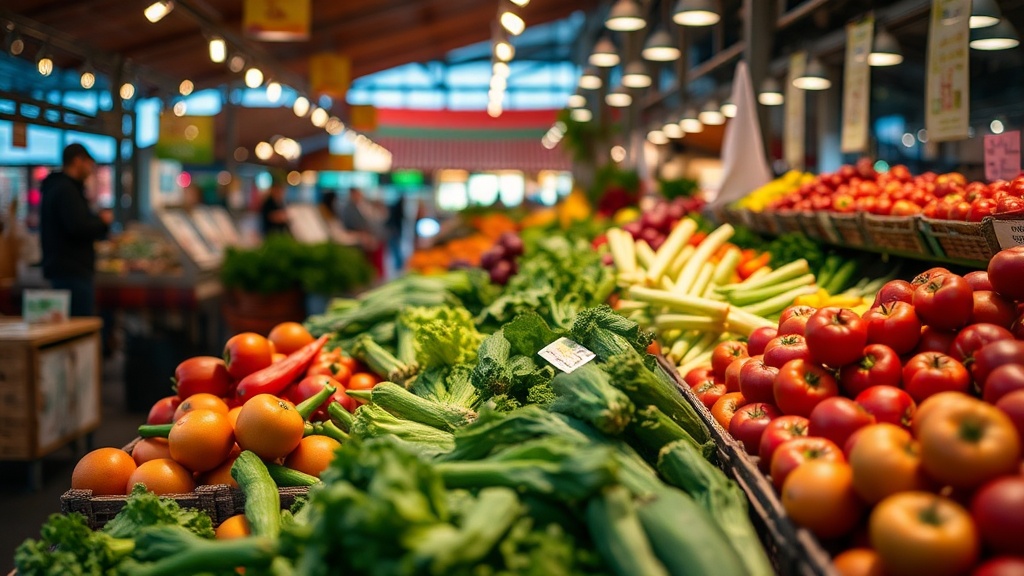
Finding the Best Seasonal Produce at Local Markets

This guide explains how to identify peak seasonal produce, when to visit local markets in the Victoriaville area, and how to select the highest quality vegetables and fruits for your kitchen. You'll learn practical ways to spot freshness and how to shop effectively within the Quebec agricultural cycle.
Shopping at a local market isn't just about grabbing a bag of carrots. It's about understanding the rhythm of the seasons right here in Quebec. When you shop locally, you're getting food that was likely harvested within days—sometimes even hours—of arriving at the stall. That makes a massive difference in flavor and nutrition.
When is the Best Time to Shop for Seasonal Produce in Quebec?
The best time to shop for produce depends entirely on the current season, with the peak harvest occurring between late June and October. In Quebec, our growing season is relatively short compared to southern climates, which means our produce follows a very strict schedule.
In the spring, you'll see more greenhouse-grown greens and perhaps some early root vegetables. Once the frost clears and the heat settles in during July and August, the markets explode with berries, stone fruits, and summer vegetables like zucchini and cucumbers. This is when the variety is at its highest.
Autumn is the time for hearty crops. Think squash, pumpkins, and hardier vegetables that can withstand the cooling temperatures. If you're looking for specific nutritional data on why seasonal eating matters, the Government of Canada provides excellent resources on agricultural cycles and food security.
Here is a quick breakdown of what to look for throughout the year:
- Late Spring: Asparagus, radishes, and fresh herbs.
- Summer: Strawberries, raspberries, tomatoes, corn, and peppers.
- Fall: Apples, pears, squash, and root vegetables (potatoes, carrots).
- Winter: While fresh field produce slows down, this is the time for storage crops like onions, garlic, and preserved items.
Don't forget that many local producers also sell preserved goods. You can often find high-quality jams or fermented vegetables that extend the taste of summer through the winter months.
How Can You Tell if Fruits and Vegetables are Fresh?
You can determine freshness by using your senses—specifically sight, touch, and smell—to check for firmness, vibrant color, and a lack of bruising or decay.
When you're standing at a market stall, don't be afraid to pick things up (unless there's a sign telling you not to). For instance, a tomato should feel heavy for its size and have a firm, consistent texture. If it feels mushy or has soft spots, it's past its prime. The same goes for leafy greens; they should look crisp and vibrant, not wilted or slimy.
For root vegetables like carrots or beets, look for skin that is smooth and taut. If the skin looks wrinkled, it's a sign that the moisture has escaped. It's a simple test, but it works every time.
"The quality of your meal starts at the market, not in your kitchen. If the base ingredient is lackluster, no amount of seasoning can save the dish."
It's also worth noting that "ugly" produce is often just as nutritious. A slightly crooked carrot isn't a bad thing—it's actually a hallmark of real, non-industrial farming. I often buy the "imperfect" produce because it's usually cheaper and tastes just as good.
The Texture and Color Checklist
Use this list when you're out at the market to ensure you're getting the best value for your money:
| Produce Type | What to Look For | Red Flags |
|---|---|---|
| Leafy Greens | Bright color, crisp edges | Yellowing, wilting, or slime |
| Berries | Deep, consistent color | Mold, juice leakage, or mushiness |
| Root Veggies | Firm, heavy, smooth skin | Soft spots or deep wrinkles |
| Stone Fruit | Slight give when pressed | Bruises or fermented smell |
How Much Does Local Produce Cost Compared to Grocery Stores?
The price of local produce can vary depending on the specific item and the current season, but it is often comparable to or slightly higher than large-scale grocery chains. While you might pay a premium for organic or artisanal items, the value lies in the shelf life and flavor.
Standard grocery stores often rely on long-distance shipping. This means a strawberry might travel thousands of kilometers before it reaches your plate. Because of this, the "cheap" strawberries at a big-box store might actually be lower quality and spoil faster than the ones you buy from a local farmer. When you buy from a local producer, you're paying for freshness that lasts longer in your fridge.
If you want to understand the economic impact of buying local, the Victorinox knife. It makes a world of difference when you're prepping large amounts of fresh vegetables.
The real way to save money is to shop with what is currently in season. If you try to buy out-of-season produce, you'll end up paying a massive premium for something that won't taste great anyway. Stick to the rhythm of the local calendar, and your wallet will thank you.
The next time you head out to the market, take a moment to talk to the vendors. They are the real experts. Ask them how long the produce has been in the ground or what the best way to store a specific vegetable is. Most of the time, they are more than happy to share their knowledge with someone who actually cares about the quality of their food.
Steps
- 1
Check the seasonal calendar
- 2
Visit early for the best selection
- 3
Bring reusable bags and cash
- 4
Talk to the local farmers