How to Get Around Victoria Ville Without a Car: A Local's Guide to Public Transit and Active Transportation

You wake up on a Tuesday morning in January, coffee in hand, and realize your car won't start. The temperature outside reads -22°C on your kitchen window thermometer facing Rue Saint-Jean-Baptiste. Panic sets in—you've got a meeting at the office downtown near Hôtel de Ville, and you've never taken the bus in Victoria Ville. What do you do? If you've lived here long enough, you know that getting around our city without a vehicle isn't just possible—it's often more practical than fighting for parking near Parc Terre-des-Jeunes during rush hour. This guide walks you through exactly how to navigate Victoria Ville using public transit, active transportation routes, and the local knowledge that makes life here easier.
Where Does the Bus Actually Go in Victoria Ville?
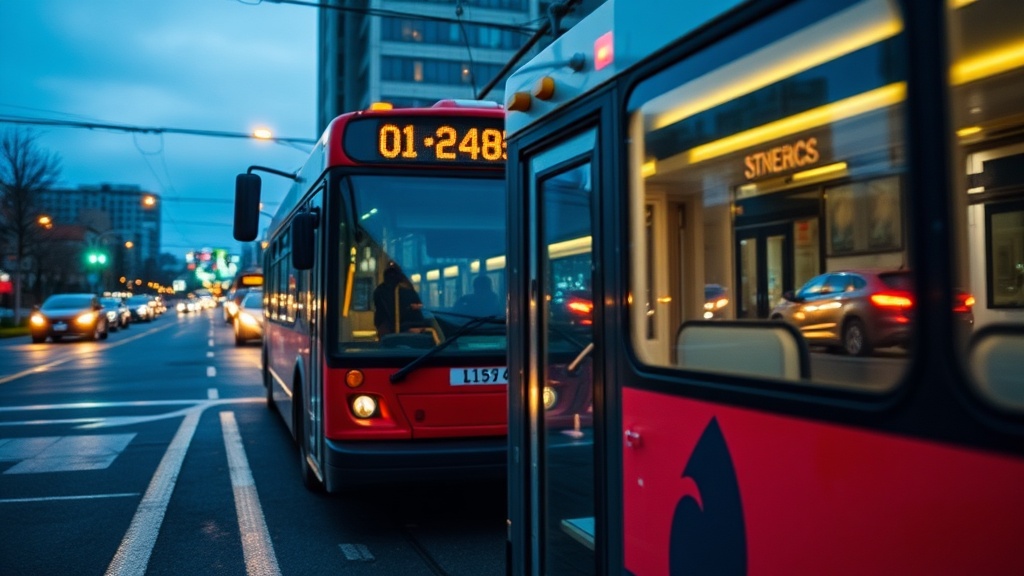
The Société de transport de Victoriaville operates six regular routes that cover the majority of residential neighbourhoods and key destinations throughout our community. Route 1 (Boulevard Jutras) runs north-south along the city's main commercial corridor, connecting the Centre de Foires to the Galeries de Victoriaville shopping area. Route 2 (Arthabaska/Saint-Christophe) serves the eastern residential sectors including the area near Cégep de Victoriaville, which becomes absolutely essential during the academic year when parking around campus turns into a competitive sport.
Route 3 (Route du Golf/Centre-Ville) loops through the western neighbourhoods near Golf de Victoriaville and brings commuters directly into the downtown core near Hôtel de Ville de Victoriaville. Routes 4 through 6 handle the outlying areas—Sainte-Famille, Saint-Christophe d'Arthabaska, and the industrial parks near Boulevard des Bois-Francs where many of us work. The buses run every 30 minutes during peak hours and every 60 minutes during off-peak times, which means planning ahead matters.
Here's what the official website won't tell you: the Route 1 bus fills up quickly between 7:45 and 8:15 AM near the Terminus des Galeries. If you're commuting to downtown from that area, catch the 7:30 AM departure or prepare to stand. Also, the digital displays at bus shelters along Boulevard Jutras are occasionally inaccurate—your best bet is downloading the Chrono mobile app, which shows real-time GPS tracking for every bus in the fleet.
How Much Does Transit Cost—and Where Do You Buy Passes?
Single rides cost $3.50 exact cash (the drivers don't make change), or you can purchase tickets in books of ten for $31.00 at various points of sale around Victoria Ville. Monthly passes run $85.00 for adults and $65.00 for students and seniors. But here's the insider tip: many employers in Victoria Ville participate in the OPUS à l'emploi program, which subsidizes monthly transit passes by up to 50%. Check with your HR department—this isn't advertised widely, but major employers like Centre de santé et de services sociaux de l'Énergie, Olymel, and the Commission scolaire des Bois-Francs all participate.
You can reload your OPUS card at the Terminus des Galeries customer service desk, at the Accès-Énergie location on Rue Notre-Dame Est, or at any Couche-Tard convenience store in Victoria Ville. The card itself costs $6.00, but it pays for itself quickly if you're a regular rider. Students at Cégep de Victoriaville get an even better deal—their student association negotiates bulk transit passes included in mandatory fees, so if you're taking classes, you've already paid for unlimited bus access.
What's the Best Way to Bike Around Victoria Ville?
During the warmer months—roughly May through October, if we're being realistic about Victoria Ville's weather—cycling becomes a genuinely pleasant way to move through our community. The city maintains approximately 45 kilometers of bike lanes and shared paths, with the crown jewel being the Parc Linéaire des Bois-Francs trail that runs along the Nicolet River through the heart of downtown.
The most practical north-south cycling route follows Boulevard Jutras, which features dedicated bike lanes between Rue Pie-XII and Boulevard Labbé. For east-west travel, Rue Notre-Dame Est has painted bike lanes through the commercial district, though you'll want to stay alert for delivery trucks and door zones. The residential streets between Rue Saint-Jean-Baptiste and Rue Laurier offer quieter alternatives with less traffic and better pavement quality.
Winter cycling is possible but requires dedication—and studded tires. The city clears some bike lanes within 24 hours of snowfall, but Boulevard Jutras gets priority treatment while secondary routes can remain snow-packed for days. If you're committed to year-round cycling, invest in proper lighting (front and rear lights are mandatory after dark under Quebec law) and visible rain gear. Our community sees an average of 250 centimeters of snow annually, so fenders aren't optional—they're survival equipment.
Are There Carpooling Options for Victoria Ville Commuters?
Absolutely—and this is where knowing your neighbours pays dividends. The Québec Carpooling platform maintains an active database of rideshares originating from Victoria Ville, particularly for longer commutes to Drummondville, Trois-Rivières, or even Montreal. Local Facebook community groups—specifically "Victoriaville et Région - Communauté"—often have daily posts from residents offering or seeking rides.
Several major employers coordinate informal carpooling networks. Workers at the Olymel processing plant on Boulevard des Bois-Francs have organized a ride-sharing board in their break room for years. If you work at one of the industrial parks, ask around—chances are someone lives in your neighbourhood and would welcome shared gas costs. The going rate for gas contributions in our community runs approximately $5-7 per one-way trip for commutes within the region.
For occasional needs, Communauto operates a car-sharing service with vehicles stationed at the Terminus des Galeries and near Cégep de Victoriaville. Hourly rates start at $9.50 plus kilometer charges, which works out cheaper than owning a second vehicle if you only need occasional access. Reserve through their app at least a few hours ahead—weekend availability disappears quickly during peak seasons.
How Do You Navigate Victoria Ville on Foot?
Walking remains the most underrated way to experience Victoria Ville, particularly in the historic downtown core between Rue Saint-Jean-Baptiste and Rue Notre-Dame. The area around Place Saint-Marc offers compact, pedestrian-friendly streets with actual sidewalks (not always guaranteed in our older neighbourhoods). During summer, the Ville de Victoriaville closes portions of Rue Notre-Dame to vehicle traffic on Thursday evenings for the Marché public de Victoriaville, creating a genuinely pleasant strolling environment.
The pedestrian infrastructure varies significantly by neighbourhood. Streets like Rue Laurier and Rue Lorne have wide, well-maintained sidewalks with curb cuts at intersections. The newer developments near Boulevard Labbé include multi-use paths designed for both pedestrians and cyclists. However, older areas—particularly around Rue de l'Église and the residential streets west of Centre de Foires—have narrow or uneven sidewalks that become treacherous during freeze-thaw cycles in late winter.
Crossing major arterial roads requires strategy. Boulevard Jutras has signalized crosswalks at most major intersections, but the timing favors vehicle traffic—expect to wait 90-120 seconds for the walk signal at crossings near Galeries de Victoriaville. Boulevard Labbé and Route 122 present bigger challenges; these provincial highways have limited crossing points, and drivers maintain highway speeds despite the urban context. Use the pedestrian bridges at Parc Terre-des-Jeunes or the signalized intersection near Hôtel de Ville rather than attempting mid-block crossings.
What About Accessibility and Mobility Challenges?
The Société de transport de Victoriaville operates paratransit service for residents with mobility limitations who cannot use regular public transit. Eligibility requires registration through the city—contact the Service des transports at (819) 758-2222 to request an application. Once approved, you can book rides up to 14 days in advance, though same-day service isn't guaranteed. The service operates during the same hours as regular transit and covers the same geographic boundaries.
Standard buses feature low floors and wheelchair ramps at the front door. The kneeling function lowers the bus approximately 10 centimeters to reduce the step height for passengers using walkers or canes. Audio announcements and visual displays indicate upcoming stops, though the volume on some older buses barely reaches audible levels over road noise. If you're hard of hearing, sit near the front and watch the destination display carefully—drivers will announce major stops but smaller ones sometimes get missed.
For electric wheelchair users or those with heavy mobility equipment, the paratransit service provides door-to-door assistance with trained drivers who secure devices properly. The standard buses can accommodate most manual wheelchairs and scooters, but space is limited to one mobility device per bus—during peak hours, you may need to wait for the next departure if another passenger is already using the designated area.
Living in Victoria Ville without a vehicle requires some adaptation, but our community's compact size actually works in your favour. Most essential services sit within a 15-minute walk or a short bus ride of residential areas. The key is combining options strategically—take the bus for grocery runs to Maxi or IGA on Boulevard Jutras, walk for downtown errands near Hôtel de Ville, and cycle the Parc Linéaire when weather permits. After six months of car-free living, you'll know the bus drivers by name, recognize the regulars on your route, and wonder why you ever sat in traffic on Boulevard des Bois-Francs during rush hour.